Top Tucson General Contractor Services for Kitchen Remodels
How to Determine the Best General Contractor for Your Next Home Project
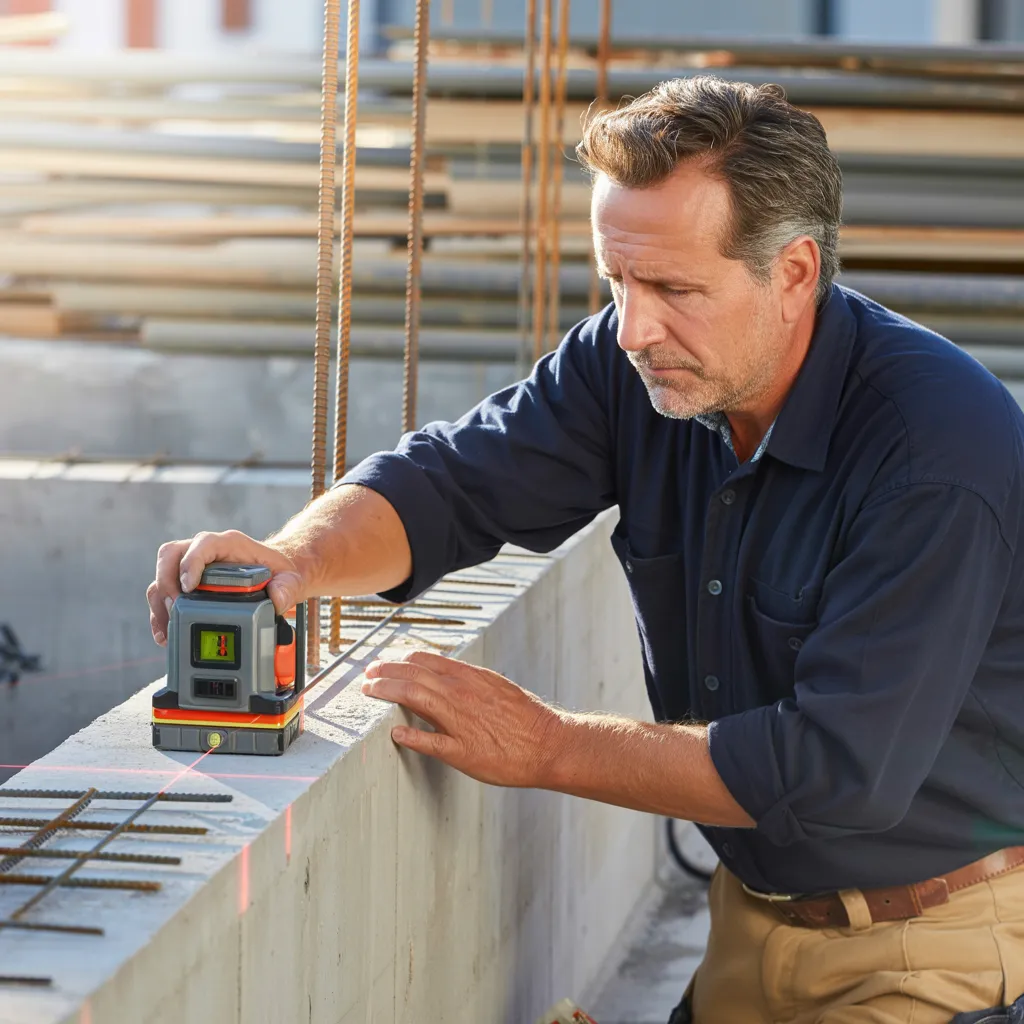
Picking a suitable construction expert for your home undertaking is an important decision. It requires thoughtful review of various aspects, including track record, credentials, and interpersonal skills. Several homeowners ignore critical elements, causing expensive errors. Grasping how to evaluate candidate professionals can create a major effect. By emphasizing vital standards and inquiring about the proper questions, you can work through this challenging endeavor more skillfully. What are the essential procedures to assure a fruitful partnership?
How to Sidestep Frequent Mistakes When Hiring a Contractor
When choosing a general contractor, how should one navigate the vast array of options without getting caught in usual mistakes? Prospective clients often fail to notice crucial factors that can lead to unfavorable effects. First, relying solely on price can be deceptive; the lowest bid may represent poor workmanship or concealed expenses. Additionally, neglecting to check references or online reviews can result in selecting a contractor with unfavorable reputation. It is also essential to steer clear of decisions based only on likability; a pleasant contractor may not hold the essential abilities or dependability. Moreover, failing to establish clear communication and expectations can lead background information to misinterpretations and unhappiness. Finally, neglecting to examine contracts carefully before signing can result in surprise commitments or absence of safeguards. By being vigilant and informed, homeowners can make sounder judgments, ultimately resulting in a triumphant outcome.
Ways to Assess a Contractor's Track Record
When examining a contractor's experience, several key factors come into play. Relevant project experience, professional credentials, and an extensive portfolio of finished projects serve as essential markers of their competencies. Evaluating these aspects can offer useful understanding into the contractor's suitability for the specific project at hand.
Related Project Expertise
Understanding a contractor's applicable work history is crucial for ensuring the positive outcome of any construction endeavor. Prospective clients should evaluate the contractor's body of work, focusing on finished work similar in scope and style to their own. This entails reviewing the quality of workmanship, adherence to timelines, and budget management in past projects. Additionally, it is advantageous to ask regarding the kinds of substances used and the contractor's familiarity with local building codes and regulations. Testimonials and references from previous customers can provide insights into the contractor's reliability and ability to communicate. Ultimately, a contractor with considerable applicable expertise can handle difficulties successfully, guaranteeing the project meets the homeowner's expectations and standards.
Professional Certifications And Licenses
Certification and licensing serve as crucial indicators of a contractor's expertise and skill in the construction industry. When picking a general contractor, it is necessary to verify that they possess the necessary licenses required by local and state regulations. These licenses demonstrate compliance with building codes and safety standards. Additionally, industry certifications, such as those from the National Association of Home Builders or similar organizations, reflect a contractor's commitment to excellence and ongoing education. Contractors with specialized certifications may also possess skills in specific areas, such as green building or remodeling. Ensuring that a contractor has the appropriate credentials not only boosts confidence in their capabilities but also minimizes potential legal and financial risks during the project.
Showcase Of Accomplished Work
A professional's portfolio featuring completed work functions as a vital resource for measuring their expertise and abilities. This compilation should display a variety of works, demonstrating adaptability in various styles and levels of complexity. When analyzing a portfolio, future clients need to check for clear photos that distinctly illustrate the craftsmanship involved. It is also useful to view assignments that fit the homeowner's personal tastes or aesthetic preferences. Precision, original methods, and timely execution are key signs of a contractor’s skill. Moreover, customer reviews or success stories included in the portfolio can offer enhanced perspective into the contractor's professionalism and consistency. In the end, a strong portfolio helps homeowners choose wisely for their forthcoming tasks.
How to confirm Your Contractor's Qualifications and Permits
Before appointing a general contractor, it is critical to corroborate their qualifications and certifications to ensure they meet occupational requirements. Proceed by consulting state regulatory boards to verify that the contractor maintains the necessary permits for your region and job category. Each state dictates its own specifications, so grasping them can prevent future setbacks.
Additionally, ask about insurance coverage, such as liability and workers' compensation, to guarantee protection against potential accidents or damages. Request references from previous clients and follow up to evaluate satisfaction and reliability.
Lastly, scrutinize any certifications the contractor may have, as these often demonstrate industry-specific training and observance of industry best practices. A thorough verification process not only ensures compliance but also strengthens confidence in the contractor's ability to complete the project successfully.
Why Dialogue Is Critical in Your Contractor Partnership
Essential dialogue plays a important role in the contractor-client relationship, shaping the project's success from the start. Clear discussion sets expectations, timelines, and budgets, ensuring both parties are in agreement on the project's goals. When clients articulate their vision effectively, contractors can provide informed recommendations and solutions, enhancing the overall outcome.
Frequent check-ins and open lines of communication facilitate speedy resolution of issues as they occur, minimizing potential delays. Additionally, a contractor who listens and acknowledges client feedback nurtures trust, which is indispensable for collaboration.
Furthermore, effective dialogue helps in handling alterations and unforeseen challenges, keeping the project on track. It allows the contractor to modify strategies based on client feedback, ensuring contentment throughout the undertaking. In the end, prioritizing communication not only reinforces the contractor-client relationship but also significantly contributes to the triumphant finishing of the home project.
Vital Questions to Bring Up with Your Contractor in First Meetings
At the start of meetings with a contractor, clients should concentrate on comprehending their experience and qualifications. It's necessary to question the project timeline and budget to verify agreement with the client's expectations. These questions lay a foundation for a successful partnership and effective project management.
Experience and Skills
Selecting a general contractor depends on understanding their background and qualifications. Homeowners should inquire about the contractor's years in the industry and the kinds of projects they have done. Detailed inquiries regarding licenses, certifications, and coverage are crucial, as these ensure adherence to local laws and offer protection throughout the project. Additionally, examining previous work through showcases or references can offer insight into the contractor's skill and dependability. It is also beneficial to question them on their familiarity with similar projects, as this can indicate their capability to handle specific obstacles. Ultimately, evaluating a contractor's experience and qualifications fosters confidence and helps homeowners make informed decisions about their home projects.
Project Duration and Budget
increasing the chances of a successful project.
Best Practices for Validating References and Perusing Reviews
What measures should one take to guarantee a general contractor is reliable? First, it is crucial to ask for a list of referrals from potential contractors. A reputable contractor will willingly provide names and contact information of previous clients. One should call these references to inquire about their experiences, focusing on elements like communication, quality of work, and adherence to timelines.
Also, studying online reviews on venues like Google, Yelp, or Angie's List can furnish significant insights. It is imperative to look for regularities in the assessments—persistent praise or disapproval can signify trustworthiness or potential complications.
Furthermore, examining any complaints submitted with local licensing boards or consumer protection agencies can reveal a contractor's background. Finally, requesting recent project photos can help evaluate the quality of their work. By taking these measures, one can make a more educated decision when selecting a general contractor.
Understanding Contractor Rates and Payment Conditions
Homeowners must learn about standard payment terms. Most contractors necessitate a deposit at the start, including progress payments dependent on project milestones. It's necessary to establish these terms before committing to a contract to avoid misunderstandings. In addition, homeowners should explore potential unforeseen costs, such as permits or unexpected work. Effective communication regarding costs and financial arrangements will help strengthen a transparent working relationship, ultimately producing a accomplished project outcome. Recognizing these elements equips homeowners to choose more wisely when selecting a general contractor.
Frequently Asked Questions
How Much Duration Will Be Needed to Complete the Project?
The project duration generally fluctuates based on complexity and scope. Generally, it could require several weeks to months. Factors including weather, material availability, and workforce availability can greatly influence the project completion schedule.
What Happens if Surprise Complications Surface During Construction?
If unexpected issues arise during construction, the contractor typically evaluates the situation, confers with the homeowner, and proposes solutions. Adjustments to the timeline and budget may be necessary, ensuring transparency throughout the undertaking.
Does My Project Require Permits or Reviews?
Most projects need permits and inspections to ensure adherence with local construction regulations. It is essential to consult with a general contractor who comprehends these requirements, as they can navigate the permitting process efficiently.
What Is Your Approach to Handling Subcontractors and Their Payments?
A credible general contractor oversees subcontractors by creating clear contracts outlining payment terms. They guarantee on-time compensation, maintain ongoing communication, and evaluate subcontractor productivity, fostering a partnership-focused climate that enhances project achievement and performance.
What Is Your Policy on Project Changes or Upgrades?
The contractor employs a flexible approach to project changes, insisting on written documentation for any upgrades. They guarantee open dialogue, review cost implications, and adapt timelines accordingly to accommodate the client's evolving needs and preferences.